
8 Non Toxic Indoor Plants For Pets: Animal Safe Vegetation
As a pet owner, you know that feeling of panic when you catch your furry friend nibbling on something they shouldn’t. Perhaps you’ve experienced the frantic Google search after spotting your cat batting at the leaves of your favourite houseplant or your dog sniffing curiously at a new addition to your indoor garden.
The concern is justified. Many common houseplants can be dangerous, even deadly, to our beloved companions. This leaves plant enthusiasts who also love their pets in a difficult position: sacrifice your indoor jungle or risk your pet’s health?
Fortunately, you don’t have to choose. There are plenty of beautiful, interesting and easy-to-maintain non toxic indoor plants for pets that will satisfy your green thumb while keeping your animals safe.
The Hidden Dangers in Common Houseplants
Many popular houseplants contain chemical compounds that help defend them against predators in their natural environments. These same compounds can cause mild to severe reactions in cats and dogs when introduced to our homes.
The risks range from minor irritation to potentially fatal consequences. Plants like lilies, for instance, are extremely dangerous to cats – even a small amount of pollen can lead to kidney failure. Others, like philodendron and pothos, contain calcium oxalate crystals that can cause painful burning sensations in your pet’s mouth and digestive tract.
As responsible pet owners, we must be vigilant about what we bring into our homes. This means researching thoroughly before purchasing new plants and possibly rehoming those that pose risks to our furry family members.
Non Toxic Indoor Plants For Pets
Now for the good news – there are numerous beautiful, interesting houseplants that pose no threat to your curious companions. Here are eight excellent options that will bring life and colour to your home without endangering your pets.
1. Spider Plant (Chlorophytum comosum)
The spider plant is a classic favourite among houseplant enthusiasts, and for good reason. With its arching, variegated leaves and easy-care nature, it adds visual interest to any room. The spider plant produces offsets or “babies” on long stems, giving it its spider-like appearance.
These plants are virtually indestructible, making them perfect for beginners. They tolerate neglect well and can adapt to various light conditions, though they prefer bright, indirect light.
One particularly appealing aspect of spider plants is their air-purifying abilities. They’re known to filter toxins like formaldehyde and xylene from the air, making your home healthier for both you and your pets.
Many cats find spider plants particularly enticing and may nibble on the leaves. While this isn’t harmful to your feline friend, you might want to place your plant in a hanging basket to protect it from becoming a cat toy.
2. Boston Fern (Nephrolepis exaltata)
If you’re looking to add some lush greenery to your space, the Boston fern is an excellent choice. With its feathery, arching fronds, it creates a soft, tropical feel and works beautifully in hanging baskets or on plant stands.
Boston ferns prefer high humidity and consistent moisture, making them ideal for bathrooms or kitchens. They also appreciate indirect light and cooler temperatures.
These elegant plants are completely harmless to cats and dogs, though you might find your pet occasionally batting at the dangling fronds. The good news is that even if they take a bite, there’s no cause for concern.
Boston ferns are also excellent air purifiers, removing formaldehyde from the environment and adding moisture to the air, which can be beneficial during dry winter months.
3. Parlour Palm (Chamaedorea elegans)
The parlour palm is a small, elegant palm that has been a favourite houseplant since Victorian times. Its delicate, feathery fronds bring a touch of the tropics to any indoor space.
This compact palm is perfect for small spaces, growing slowly to a maximum height of about 1-1.2 metres. It thrives in bright, indirect light but can tolerate lower light conditions, making it adaptable to various home environments.
One of the benefits of the parlour palm is its relatively low maintenance nature. It doesn’t require frequent watering – in fact, it’s better to let the soil dry out slightly between waterings. This makes it ideal for busy pet owners who might not have time for high-maintenance plants.
Unlike some other palm varieties that can be toxic, the parlour palm is completely safe for dogs and cats, earning it a place on the RSPCA approved houseplants list.
4. Calathea (Prayer Plant Family)
For those seeking a more dramatic look, Calathea plants offer stunning foliage with intricate patterns and bold colours. These plants are known for their dynamic nature – their leaves move throughout the day, folding up at night (hence the name “prayer plant”) and opening again in the morning.
There are numerous varieties of Calathea, each with unique leaf patterns and colours. Popular options include Calathea orbifolia with its large, round leaves featuring silvery stripes and Calathea medallion with its purple undersides.
While Calatheas can be somewhat finicky about their care requirements – they prefer consistent moisture, high humidity and indirect light – their beauty makes them worth the extra attention. They’re also completely safe for your furry friends, making them a perfect addition to your collection of non toxic indoor plants for pets.
Some pet owners report that their cats and dogs show little interest in Calatheas, perhaps due to their tough, leathery leaves. This means your beautiful plant is likely to remain intact even in homes with curious pets.
5. Christmas Cactus (Schlumbergera)
The Christmas cactus is a festive and pet-friendly addition to any home. Unlike desert cacti with sharp spines, the Christmas cactus has smooth, flat segments that are completely harmless to pets.
This unique plant blooms around the holiday season (hence its name), producing stunning tubular flowers in shades of pink, red, white or purple. With proper care, a Christmas cactus can live for decades, becoming a long-term companion in your home.
Christmas cacti are relatively easy to care for, preferring bright, indirect light and moderate watering. They appreciate higher humidity levels but are forgiving if conditions aren’t perfect.
These plants are part of a group of holiday cacti that includes Thanksgiving and Easter cacti – all of which are safe for pets. They make wonderful additions to a collection of pet safe succulents and cacti for those who appreciate flowering houseplants.
6. Moth Orchid (Phalaenopsis)
For elegant blooms that last for months, look no further than the pet safe flowering indoor plants in the orchid family. Moth orchids (Phalaenopsis) are particularly popular due to their ease of care and stunning flowers.
These orchids produce arching stems covered in butterfly-like blooms that can last up to three months. They come in a variety of colours, from classic white to vibrant purples, pinks and even patterns.
Contrary to their reputation, moth orchids are relatively easy to care for. They prefer bright, indirect light and should be watered only when their roots have dried out. They thrive in the same comfortable temperatures as humans do, making them well-suited to home environments.
These beautiful plants are completely non-toxic to cats and dogs. Even if your curious pet takes a bite of a leaf or flower, there’s no cause for concern. This makes them an excellent choice for bringing colour and elegance to pet-friendly homes.
7. Haworthia
For those who love the look of aloe but need pet friendly plants that are hard to kill, Haworthia is the perfect solution. These small succulents resemble miniature aloe plants but, unlike true aloe vera (which is toxic to pets), Haworthias are completely safe for cats and dogs.
These hardy succulents come in various species, many featuring interesting patterns, textures and colours. Some have translucent “windows” at the tips of their leaves, while others feature white stripes or bumps that give them character.
Haworthias are incredibly low-maintenance, requiring minimal watering and thriving in bright, indirect light. They’re slow growers that rarely need repotting, making them perfect for busy pet owners or those new to plant care.
Their compact size makes them ideal for small spaces like desks, windowsills or shelves. They make excellent additions to arrangements of pet safe plants for small apartments where space is at a premium.
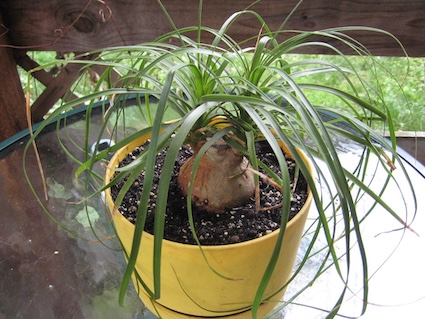
8. Ponytail Palm (Beaucarnea recurvata)
Despite its name, the ponytail palm isn’t actually a palm at all but a member of the Asparagaceae family. This quirky plant features a bulbous trunk that stores water and long, thin leaves that cascade like a ponytail, giving it its common name.
Ponytail palms are extremely drought-tolerant thanks to their water-storing trunk. They prefer bright light but can adapt to medium light conditions, and they only need watering when the soil is completely dry.
These distinctive plants are completely non-toxic to pets, making them safe indoor trees for homes with a dog or cat. Their unique appearance adds character to any room, and their easy-care nature makes them suitable for plant parents of any skill level.
Ponytail palms can live for many years and grow quite large over time, though they grow slowly. Starting with a small specimen allows you to enjoy watching it develop over the years without immediately overwhelming your space.
Caring for Your Pet-Friendly Plant Collection
Once you’ve selected some non toxic indoor plants for pets for your home, you’ll want to ensure they thrive. Here are some tips for keeping both your plants and pets happy:
Finding the Right Location
While the plants on this list are safe for pets, you may still want to keep some out of reach to prevent damage to the plants themselves. Many cats and dogs enjoy batting at dangling leaves or digging in soil, which can be stressful for your green friends.
Consider using ideas for pet friendly hanging plants to keep some specimens away from curious paws. Hanging baskets work wonderfully for trailing plants like spider plants and can add visual interest by utilizing vertical space.
For floor plants, try placing them on stands or shelves that pets can’t easily access. This is particularly important for plants that might topple easily or those with delicate foliage.
Managing Soil Access
Even with non toxic plants for cat owners, there can be concerns about pets digging in or eating soil. Potting mix often contains components that aren’t great for pets to ingest, and digging can make quite a mess.
To prevent soil access, consider topping your pots with decorative rocks or pebbles. These not only look attractive but also make it difficult for pets to dig. Just be sure the rocks are large enough that they won’t be swallowed.
Another option is to use a product specifically designed to prevent digging, such as plastic pot toppers with cutouts for stems. These can be particularly useful for larger plants that can’t easily be moved out of reach.
Maintaining Plant Health
Easy care pet friendly plants still need some attention to thrive. Regular care routines not only keep your plants looking their best but can also help you spot any potential pest issues before they become serious.
Most houseplants benefit from occasional cleaning to remove dust from their leaves. This helps them photosynthesize more efficiently and keeps them looking attractive. Simply wiping leaves with a damp cloth is sufficient for most plants.
Be attentive to watering needs, which vary by plant species. Overwatering is one of the most common causes of houseplant death, so always check the soil before adding water. When in doubt, it’s usually better to underwater than overwater, especially for succulents and other drought-tolerant species.
Dealing with Persistent Plant Chewers
If you’re wondering how to keep cats from eating houseplants even when they’re non-toxic, there are several strategies you can try:
- Provide alternative greens specifically for your pet. Cat grass (typically wheat, oat or barley grass) can be grown indoors and gives cats something safe to chew that satisfies their craving for vegetation.
- Use deterrent sprays made specifically for plants. These have a bitter taste that discourages chewing but is safe for both plants and pets. Be sure to select a product designed for this purpose rather than using household substances that might harm your plants.
- Create distractions with pet toys, scratching posts or climbing trees that give your pet something more interesting to do than bother your plants.
- For persistent chewers, consider creating a designated “pet garden” with cat grass and catnip in one area while keeping other plants in less accessible locations.
Understanding Plant Toxicity
When selecting plants for a pet-friendly home, it’s important to understand the difference between toxic vs non toxic houseplants. Many popular houseplants contain compounds that can cause various symptoms in pets, from mild discomfort to serious illness.
Common toxic houseplants include:
- Lilies (especially dangerous for cats)
- Philodendron
- Pothos
- Monstera
- Aloe vera
- Peace lily
- Dracaena
- ZZ plant
- Sago palm
If you’re ever unsure about a plant’s safety, consulting the RSPCA approved houseplants list or similar resources can provide peace of mind. These organisations maintain extensive databases of plants and their potential effects on animals.
It’s also worth noting that even non-toxic plants can cause mild gastrointestinal upset if consumed in large quantities. If your pet is a dedicated plant chewer, it’s best to monitor their behaviour and limit access to even safe plants if necessary.
Beyond the Basics: Expanding Your Collection
Once you’ve mastered the care of basic dog friendly plants for a home, you might want to expand your collection with more unusual specimens. Fortunately, there are many interesting non toxic indoor plants for pets beyond the common varieties.
Air plants (Tillandsia) are fascinating additions that don’t even require soil. These can be displayed in glass terrariums or mounted on wood for an artistic display that’s completely pet-safe.
Various types of peperomia offer interesting leaf shapes, textures and patterns while remaining non-toxic to pets. These compact plants are perfect for small spaces and come in numerous varieties to collect.
For those interested in trailing plants, look into strings of hearts (Ceropegia woodii) or wax plants (Hoya species). These fascinating vines are safe for pets and add vertical interest to your plant display.
Benefits of Indoor Plants for Both Pets and People
Beyond their decorative value, best air purifying plants that are safe for pets offer numerous benefits for your household. Many houseplants naturally filter toxins from the air, improving indoor air quality for both human and animal residents.
Plants also increase humidity levels, which can be beneficial during dry winter months or in arid climates. This additional moisture can help prevent dry skin, static electricity and respiratory irritation.
Studies have shown that indoor plants can reduce stress levels and improve mood for humans. The act of caring for plants can be therapeutic, and the connection to nature they provide is valuable in urban environments.
For pets, particularly indoor cats, safe plants can provide enrichment through sensory stimulation. The different textures, movements and scents of plants add interest to their environment.
Making the Transition to Pet-Safe Plants
If you currently have plants that aren’t pet-friendly, consider gradually replacing them with pet safe alternatives to toxic houseplants. This doesn’t have to happen all at once – you can make the transition as your budget allows and as you become more confident in caring for new varieties.
While transitioning, you might need to create temporary barriers around toxic plants or relocate them to rooms your pets don’t access. Clear plastic plant protectors are available that can shield dangerous plants while still allowing them to be displayed.
For plants with sentimental value that happen to be toxic, consider keeping them in offices, enclosed sunrooms or other spaces where pets don’t roam unsupervised.
Creating a Harmonious Green Space for All
Creating a beautiful indoor garden doesn’t mean putting your beloved pets at risk. With the wide variety of non toxic indoor plants for pets available, you can enjoy the benefits of houseplants while keeping your furry family members safe.
From the classic spider plant to the exotic moth orchid, there are options to suit every taste, skill level and home environment. By selecting from the list of cat safe indoor plants and dog friendly plants for a home we’ve explored, you can create a harmonious space where both your botanical and animal companions can thrive.
Even with non-toxic plants, it’s best to monitor your pet’s behaviour and discourage excessive chewing or digging. With the right plants, placement strategies and a bit of training, pets and plants can coexist beautifully in your home.
Whether you’re a seasoned plant enthusiast or just beginning your indoor gardening journey, embracing pet-friendly options opens up a world of possibilities for creating a lush, living space that’s safe for every member of your household – human, feline or canine.