
15 Best Plants For A Butterfly Garden: Help Stop The Decline
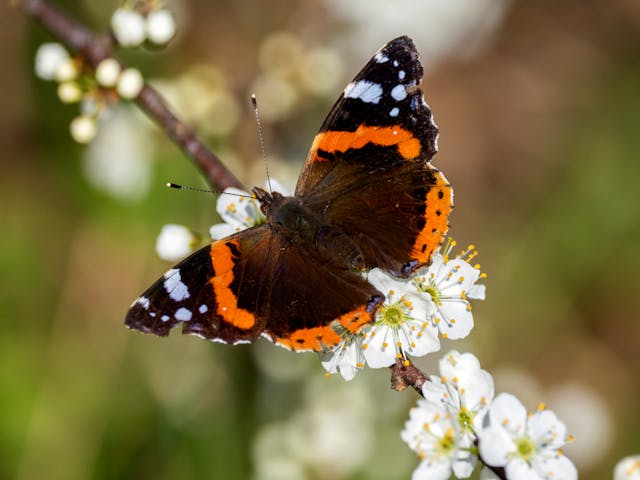
Have you noticed fewer butterflies fluttering through your garden in recent years? You’re not imagining things. UK butterfly populations have plummeted by a staggering 50% since 1976, according to Butterfly Conservation. The once-common sight of cabbage whites, peacocks and red admirals dancing from flower to flower has become increasingly rare, leaving our gardens eerily quiet and significantly less colourful.
Many gardeners feel powerless watching this decline, wondering if there’s anything they can do to help these delicate creatures survive in our changing world. The good news is that even the smallest outdoor space can become a haven for butterflies with the right approach. Creating a butterfly-friendly environment brings movement, colour and life back to our gardens while connecting us to nature in a meaningful way.
If you’re concerned about butterfly populations but unsure where to begin, finding the best plants for a butterfly garden is your first crucial step. The right combination of nectar-rich flowers and host plants can transform even the most modest garden into a butterfly paradise. But which plants truly make a difference, and how do you arrange them to maximise their impact?
This article explores practical ways to create butterfly-friendly spaces that genuinely help these beautiful insects thrive. From plant selection to garden design, we’ll walk through practical steps that make a real difference – no matter your gardening experience or available space.
Understanding the Butterfly Decline
The alarming decrease in butterfly numbers stems from several interconnected factors affecting their survival. The UK’s butterfly populations face unprecedented challenges from habitat loss, pesticide use and climate change. According to the UK Butterfly Monitoring Scheme, 76% of our resident and regular migrant butterfly species have declined in either abundance or occurrence since the 1970s.
The disappearance of wildflower meadows, hedgerows and woodland clearings has left butterflies with fewer places to feed, breed and shelter. Modern agricultural practices and urban development have fragmented butterfly habitats, making it difficult for populations to sustain themselves or recover from bad years.
Dr Martin Warren, former Chief Executive of Butterfly Conservation, explains: “Gardens now provide essential stepping stones between fragmented butterfly habitats in the wider countryside. A network of butterfly-friendly gardens can help species move across landscapes and adapt to environmental changes.”
This is where you come in. By transforming your garden into a butterfly sanctuary, you’re not just creating a beautiful space – you’re providing vital resources that help butterflies survive and potentially reverse their decline.
Best Plants for a Butterfly Garden: Selection Principles
The most effective butterfly gardens provide for the complete lifecycle of butterflies, from egg to adult. This means including both nectar plants for adult butterflies and host plants where females can lay their eggs and caterpillars can feed.
When selecting plants, consider these key principles:
- Choose native species where possible – they’ve evolved alongside local butterfly populations
- Aim for continuous bloom from spring through autumn
- Plant in sunny, sheltered locations where butterflies prefer to feed
- Group plants together to create “landing pads” that attract butterflies from afar
- Avoid pesticides completely – even organic ones can harm butterflies and caterpillars
The butterfly garden planting guide below focuses on plants that perform exceptionally well in UK gardens and support the greatest diversity of butterfly species.
15 Top Plants for Your Butterfly Garden
1. Buddleja (Butterfly Bush)
No butterfly garden design plans would be complete without buddleja, often called the butterfly bush for good reason. Its cone-shaped flower clusters produce copious nectar that attracts nearly every UK butterfly species, including peacocks, red admirals and painted ladies.
While the classic purple variety is excellent, consider ‘Royal Red’ for intense colour or ‘White Profusion’ for a more subtle look. For smaller gardens, compact varieties like ‘Buzz’ stay under 1.2m tall.
Plant buddleja in well-drained soil in full sun, and prune hard in early spring to encourage plentiful flowers. Though not native, its benefits to adult butterflies are substantial.
2. Verbena bonariensis
This elegant perennial creates a delicate, airy structure in the garden while providing rich nectar sources for butterflies from July until the first frosts. Its tall, slender stems (up to 2m) topped with small purple flowers allow butterflies to feed while remaining alert to predators.
What makes verbena particularly valuable is its long flowering period and self-seeding nature, which ensures continuous food sources year after year. Plant in free-draining soil in full sun, and leave the seedheads standing through winter for natural propagation.
3. Wild Marjoram (Origanum vulgare)
This native herb produces masses of pink flowers that attract a wide range of butterflies, particularly comma, gatekeeper and common blue species. As one of our most valuable native plants for a butterfly garden, wild marjoram combines wildlife benefits with culinary uses.
Plant in poor to moderately fertile, well-drained soil in full sun. Its compact nature (30-60cm) makes it perfect for borders, rockeries or containers. The aromatic foliage is an added sensory bonus for human visitors.
4. Common Milkweed (Asclepias syriaca)
While not native to the UK, milkweed has become an essential plant for butterfly conservation due to its relationship with monarch butterflies. As the primary monarch butterfly host plants, milkweed species provide the only food source for monarch caterpillars.
Though monarchs aren’t UK natives, they occasionally appear as rare migrants, and growing milkweed supports international conservation efforts. The plant produces attractive pink-purple flower clusters rich in nectar for many butterfly species. Plant in well-drained soil in a sunny position, but be prepared to contain its spreading habit.
5. Lavender (Lavandula angustifolia)
English lavender is a perfect choice for butterfly garden for beginners due to its easy care requirements and exceptional butterfly appeal. Its fragrant purple flowers attract painted ladies, small tortoiseshells and many other species.
For best results, plant in poor to moderately fertile, well-drained soil in full sun. Prune after flowering to maintain a compact shape and prolong the plant’s life. Lavender’s drought tolerance makes it particularly valuable in our changing climate.
6. Purple Coneflower (Echinacea purpurea)
This striking perennial with its distinctive raised central cone surrounded by purple-pink petals provides abundant nectar for butterflies and seeds for birds later in the season. Its sturdy stems give butterflies stable landing platforms even on windy days.
Echinaceas bloom from July to September, filling the mid-summer gap when some gardens lack butterfly-friendly flowers. Plant in moderately fertile, well-drained soil in full sun, and deadhead regularly to prolong flowering.
7. Common Knapweed (Centaurea nigra)
This native wildflower is a powerhouse for butterfly attraction. Its purple thistle-like flowers bloom from June to September, providing nectar for numerous species including meadow browns, marbled whites and skippers.
As a key component of traditional hay meadows, knapweed represents the type of habitat that has been lost from the wider countryside. Plant in ordinary, well-drained soil in full sun or partial shade. Its robust nature means it requires little maintenance once established.
8. Sedum ‘Autumn Joy’ (Hylotelephium)
The flat flower heads of sedums mean they are amongst the best plants for a butterfly garden as they provide perfect landing pads and feeding stations for butterflies, particularly in late summer and autumn when other nectar sources may be scarce. The dusky pink flowers are especially attractive to small tortoiseshells, peacocks and commas preparing for hibernation.
This succulent perennial thrives in poor to moderately fertile, well-drained soil in full sun. Its drought tolerance makes it an excellent choice for areas with free-draining soil or as part of butterfly garden care and maintenance regimes focused on sustainability.
9. Field Scabious (Knautia arvensis)
This native perennial produces lavender-blue pincushion flowers from June to September that are magnets for butterflies, particularly skippers, blues and fritillaries. Its long flowering period makes it a reliable nectar source throughout summer.
Field scabious grows naturally in meadows and grassy verges, making it perfect for informal butterfly garden layout ideas that mimic natural habitats. Plant in moderately fertile, well-drained soil in full sun, and deadhead to prolong flowering.
10. Sweet Fennel (Foeniculum vulgare)
This tall perennial serves a dual purpose in the butterfly garden. Its yellow flower umbels provide nectar for adult butterflies, while its feathery foliage serves as host plants for butterflies like the swallowtail (rare in the UK but found in Norfolk).
The aromatic, aniseed-scented leaves add sensory interest, and the plant’s architectural quality brings structural diversity to garden designs. Plant in well-drained soil in full sun, and allow space for its height (up to 2m) and spread.
11. Wallflowers (Erysimum cheiri)
These spring-flowering biennials or short-lived perennials provide crucial early nectar for butterflies emerging from hibernation, particularly peacocks, small tortoiseshells and brimstones. Their rich colours and sweet scent make them garden favourites for humans too.
For butterfly friendly garden plants that support early-season activity, wallflowers are hard to beat. Plant in autumn for spring flowering in well-drained soil in full sun. The ‘Bowles’s Mauve’ variety flowers almost year-round in mild areas, providing extended nectar availability.
12. Red Valerian (Centranthus ruber)
This Mediterranean native has naturalised in parts of the UK, particularly on coastal cliffs and walls. Its clusters of small, tubular flowers in shades of red, pink or white produce nectar that’s accessible to butterflies with shorter proboscises, including whites and skippers.
Red valerian’s long flowering period (May to October) and ability to thrive in poor, dry conditions make it valuable for low-maintenance schemes. Plant in well-drained soil in full sun, perhaps as part of a butterfly garden in a small space where its adaptability to containers and wall crevices comes into play.
13. Heather (Calluna vulgaris)
This native evergreen shrub provides late-season nectar for butterflies when many garden plants have finished flowering. Its small, densely-packed flowers in shades of pink, purple and white are particularly attractive to small copper, small heath and grayling butterflies.
Heather requires acidic soil, so container planting with ericaceous compost may be necessary in areas with alkaline soil. Plant in full sun or partial shade, and clip lightly after flowering to maintain a compact shape.
14. Hemp Agrimony (Eupatorium cannabinum)
This native perennial produces fluffy clusters of small pink flowers from July to September that are particularly attractive to peacocks, red admirals and commas. Growing naturally beside streams and in damp woodland edges, it brings a touch of wildness to garden settings.
Hemp agrimony’s height (up to 1.5m) makes it suitable for the middle or back of borders. Unlike many perennial plants for a butterfly garden, it tolerates damp conditions, making it valuable for rain gardens or areas with heavy soil.
15. Wild Strawberry (Fragaria vesca)
This low-growing native plant offers multiple benefits: spring flowers for early butterflies, edible fruits for humans and ground cover that suppresses weeds. It’s also a larval host plant for grizzled skippers and several moth species.
Wild strawberry’s adaptability makes it perfect for underplanting larger specimens or edging paths. Plant in ordinary garden soil in sun or partial shade, and allow it to spread naturally to form an effective ground cover.
How to Plant a Butterfly Garden: Design Considerations
Now that we’ve explored the best butterfly garden flowers, let’s consider how to arrange them for maximum impact. Thoughtful design can significantly enhance your garden’s attractiveness to butterflies while creating a beautiful space for human enjoyment.
Location and Layout
Butterflies are cold-blooded creatures that need warmth to fly effectively. Choose a sunny, sheltered location for your butterfly garden – ideally one that receives at least six hours of direct sunlight daily and is protected from strong winds.
When developing butterfly garden layout ideas, consider creating a horseshoe or U-shaped design that forms a sun trap. This concentration of warmth and shelter encourages butterflies to linger rather than simply passing through.
Planting in drifts or blocks rather than single specimens creates stronger visual signals that butterflies can detect from a distance. Aim for groups of at least three plants of each variety, more for smaller species.
Structural Diversity
A successful butterfly garden incorporates plants of varying heights, forms and flowering times. This structural diversity provides different feeding levels for various butterfly species and ensures nectar availability throughout the active season.
Consider this layering approach:
- Tall background plants like buddleja and hemp agrimony
- Mid-height plants like echinaceas and knapweed
- Low-growing plants like wild strawberry and thyme
- Climbing plants on structures to maximise vertical space
This varied structure also creates microclimates within the garden – sun-baked spots for basking and shadier areas for cooling down during extreme heat.
Water and Minerals
Butterflies need water and minerals that they often obtain from damp soil or mud – a behaviour called “puddling.” Create a simple butterfly puddling station by filling a shallow dish with sand, keeping it moist and adding a pinch of sea salt occasionally to provide essential minerals.
Place flat stones throughout the garden that will warm in the sun, providing basking spots where butterflies can raise their body temperature on cooler days. Position these near nectar sources for convenience.
Creating a Butterfly Habitat: Beyond Plants
While plant selection forms the foundation of a butterfly garden, creating a butterfly habitat involves additional considerations. Butterflies need more than nectar – they require places to breed, feed as caterpillars, shelter from predators and weather, and in some cases, overwinter.
Host Plants for Caterpillars
Many gardeners focus exclusively on nectar plants without considering caterpillar needs. Including host plants for butterflies to lay their eggs on is crucial for completing the lifecycle and maintaining populations.
Some important caterpillar host plants include:
- Stinging nettles (Urtica dioica) for peacocks, small tortoiseshells, red admirals and commas
- Bird’s-foot trefoil (Lotus corniculatus) for common blue and dingy skipper
- Lady’s smock (Cardamine pratensis) for orange-tip
- Holly (Ilex aquifolium) for holly blue
- Sorrel (Rumex acetosa) for small copper
If the somewhat untidy appearance of nettles concerns you, consider growing them in a less visible area or in containers that control their spread while still providing larval food.
Shelter and Overwintering Sites
Many UK butterflies hibernate through winter as adults, caterpillars, pupae or eggs. Providing shelter is essential for their survival. Incorporate these features into your garden:
- Log piles or rockeries with crevices for hibernating adults
- Areas of unmown grass for species that overwinter as caterpillars
- Climbers like ivy that provide dense cover
- Hedge bottoms with accumulated leaf litter
Resist the urge to be too tidy in autumn – those dead stems and leaf piles are wildlife homes!
Creating a Butterfly Garden Without Pesticides
Perhaps the most important aspect of butterfly gardening is maintaining a butterfly garden without pesticides of any kind. Even organic or “wildlife-friendly” products can harm butterflies and caterpillars.
Instead of chemical solutions, embrace these natural approaches:
- Encourage beneficial insects like ladybirds and lacewings that control pests
- Accept some plant damage as part of a healthy ecosystem
- Use physical barriers like horticultural fleece for vulnerable crops
- Practice good garden hygiene to reduce disease pressure
Many so-called garden pests are actually butterfly caterpillars. That “damage” to your plants represents the next generation of butterflies developing!
Butterfly Garden for Beginners: Starting Small
If the prospect of completely redesigning your garden feels overwhelming, start with a container butterfly garden. This approach allows you to create a butterfly garden in a small space while gaining experience and confidence.
A collection of pots on a sunny patio can provide significant nectar resources. Choose containers at least 30cm in diameter and depth for adequate root development, and select compact plant varieties suitable for container culture.
Effective container combinations include:
- Lavender, trailing verbena and compact marjoram
- Dwarf buddleja, heather and thyme
- Wallflowers, forget-me-nots and sweet alyssum
Even a window box or balcony container can attract butterflies if planted thoughtfully. The key is selecting plants with accessible nectar and grouping them to create a visible “landing pad.”
How to Create a Pollinator Garden That Benefits Multiple Species
While focusing on butterflies, you’re also supporting other crucial pollinators like bees, hoverflies and moths. How to create a pollinator garden that serves diverse species follows many of the same principles we’ve discussed, with a few additions:
- Include plants with different flower shapes to accommodate various feeding apparatuses
- Incorporate night-scented plants like evening primrose and honeysuckle for moths
- Provide shallow water sources with landing spots for bees
- Create bare soil patches for ground-nesting bees
This integrated approach strengthens your garden’s ecological function and resilience. The more diverse your pollinator population, the more stable and productive your garden ecosystem becomes.
Nectar Plants for Butterflies: Seasonal Considerations
To support butterflies throughout their active season, plan for continuous bloom from early spring through late autumn. Here’s a simplified planting calendar highlighting key nectar plants for butterflies by season:
Spring (March-May)
- Aubrieta
- Wallflowers
- Primroses
- Forget-me-nots
- Bluebells
- Apple and cherry blossom
Early Summer (June-July)
- Lavender
- Scabious
- Knapweed
- Wild marjoram
- Verbena bonariensis
- Red valerian
Late Summer (August-September)
- Buddleja
- Echinacea
- Hemp agrimony
- Sedum
- Heather
- Michaelmas daisies
Autumn (October-November)
- Ivy
- Sedum
- Late-flowering heather
- Chinese plumbago
- Late echinaceas
- Verbena bonariensis (continues flowering)
This succession ensures that butterflies always find food in your garden, particularly important during critical periods like early spring when hibernators first emerge and late autumn when they’re building reserves for winter.
Native Plants for a Butterfly Garden: The Ecological Advantage
While many exotic plants provide excellent nectar sources, native plants for a butterfly garden offer unique ecological advantages. Having co-evolved with local butterfly species, they often better match the needs of our native fauna.
The relationship between native plants and butterflies extends beyond nectar provision to include specific chemical compounds that trigger egg-laying responses in female butterflies and provide precisely the right nutrition for caterpillars.
Some outstanding native plants include:
- Bird’s-foot trefoil (Lotus corniculatus)
- Devil’s-bit scabious (Succisa pratensis)
- Wild thyme (Thymus serpyllum)
- Greater knapweed (Centaurea scabiosa)
- Meadow cranesbill (Geranium pratense)
These plants not only support butterflies but also preserve our botanical heritage and sense of place. Incorporating them connects your garden to the wider landscape and ecological history of Britain.
DIY Butterfly Garden Kit: Creating Your Own
While commercial DIY butterfly garden kit options exist, creating your personalised collection of plants and materials often produces better results tailored to your specific conditions and local butterfly species.
A self-assembled butterfly garden starter kit might include:
- 3-5 container-grown nectar plants in various heights
- 1-2 caterpillar host plants
- A shallow dish for a puddling station
- A packet of wildlife meadow seed mix
- A guide to local butterfly identification
This approach allows you to select varieties suited to your soil, climate and space constraints while providing immediate attraction for adult butterflies and longer-term habitat development.
How to Attract Monarch Butterflies and Other Special Species
While monarchs are rare visitors to the UK, occasionally arriving as migrants, other specialist butterfly species might be encouraged with targeted planting. Understanding the specific needs of particular butterflies allows you to create microhabitats that attract diversity beyond the common garden species.
How to attract monarch butterflies primarily involves planting milkweed species, but attracting UK specialists might include:
- Creating a small wildflower meadow area for meadow browns and skippers
- Planting alder buckthorn for brimstone caterpillars
- Maintaining an area of long grass for gatekeeper and meadow brown larvae
- Growing honeysuckle for white admiral caterpillars
Research butterfly species native to your region and consider incorporating their specific host plants, even if they’re currently uncommon visitors. Your garden could become a stepping stone for range expansion as climate change shifts butterfly distributions.
Perennial Plants for a Butterfly Garden: Sustainable Choices
While annual flowers certainly have their place, perennial plants for a butterfly garden offer sustainability advantages through reduced soil disturbance, lower resource requirements and continuous habitat development.
Perennials develop more extensive root systems that improve soil structure, capture carbon and require less watering once established. Their permanence provides reliable year-after-year resources that butterfly populations can depend on.
Some outstanding perennials beyond those already mentioned include:
- Globe thistle (Echinops ritro)
- Sea holly (Eryngium maritimum)
- Catmint (Nepeta species)
- Cranesbill geraniums (Geranium species)
- Asters (Symphyotrichum species)
Interplanting spring-flowering bulbs among perennials provides early-season nectar while the perennials are still developing, creating a layered planting that maximises flowering duration.
Butterfly Garden Care and Maintenance: Seasonal Tasks
Maintaining a butterfly garden differs somewhat from conventional garden care. Butterfly garden care and maintenance focuses on supporting wildlife while keeping the garden attractive and functional.
Spring
- Cut back dead stems that provided winter shelter
- Divide and replant perennials to maintain vigour
- Sow annual seeds for summer nectar
- Lightly prune late-flowering shrubs
- Apply mulch to conserve moisture and suppress weeds
Summer
- Deadhead continuously to prolong flowering
- Water during dry spells, focusing on new plantings
- Monitor for pests but avoid chemical interventions
- Take photographs of butterfly visitors for identification
- Collect seeds for future plantings
Autumn
- Leave some seedheads standing for wildlife
- Cut back only what’s necessary for garden structure
- Create leaf piles in quiet corners for overwintering insects
- Plant spring-flowering bulbs
- Add late-autumn nectar plants if needed
Winter
- Resist over-tidying – dead stems provide shelter
- Plan next year’s additions
- Clean and prepare containers for spring
- Maintain hibernation sites undisturbed
- Monitor for unseasonable butterfly activity during warm spells
This approach balances ecological needs with aesthetic considerations, allowing your garden to function as both wildlife habitat and human pleasure ground.
Your Garden Makes a Difference
As butterfly populations continue to decline across Britain, garden habitats become increasingly vital. The best plants for a butterfly garden we’ve explored not only support butterflies but create a vibrant, living space that connects us to the natural world in meaningful ways.
Whether you’re developing comprehensive butterfly garden design plans for a large plot or creating a butterfly garden in a small space on a balcony, your efforts contribute to a wider network of wildlife-friendly spaces that help butterflies navigate our fragmented landscape.
The joy of watching a peacock butterfly unfurl its proboscis to sip nectar from a buddleja you planted, or discovering small tortoiseshell caterpillars munching on nettles in a corner you deliberately left wild, connects you to ancient cycles of life that humans have observed for millennia.
By creating butterfly habitat in our gardens, we don’t just help preserve biodiversity – we enrich our own lives through deeper engagement with the natural world. That fluttering movement at the edge of vision, the flash of colour on a summer day, reminds us that our gardens are not separate from nature but part of it.
Start your butterfly gardening project at home today, even if it’s with just a single pot of lavender or a packet of wildflower seeds. Every flower you plant is a potential meal for a butterfly, and every caterpillar host plant is a nursery for the next generation. Your garden matters more than you might think.