
How To Eat Seasonally Locally: Your Easy 12 Month Guide
For many families across the UK, mealtimes have become a challenging blend of budget constraints, time pressures and growing concerns about health and environmental impact. The weekly shop often means navigating aisles filled with produce that has travelled thousands of miles, wrapped in layers of plastic, with little connection to the seasons or our local environment.
If you’ve ever wondered why those strawberries in December taste nothing like the ones you remember from childhood summers, or why your food bill seems to fluctuate so dramatically throughout the year, you’re not alone. Many of us have become disconnected from the natural rhythms of food production that guided previous generations.
“I want to feed my family better food, but it’s so confusing to know what’s actually in season,” shares Sarah, a mother of two from Manchester. “Everything seems available year-round in supermarkets, but I know that can’t be right.”
This disconnect isn’t just affecting our taste buds and wallets – it’s impacting our health and the planet too. The good news? Learning how to eat seasonally locally is simpler than you might think, and the benefits extend far beyond just tastier meals.
Why Seasonal Eating Matters
Understanding the importance of seasonal eating begins with recognising what we’ve lost in our modern food system. Not long ago, our grandparents and great-grandparents naturally ate according to what was available locally. They didn’t need a seasonal fruits and vegetables chart – they simply knew that strawberries meant summer and parsnips meant winter.
Today, global supply chains have created a perpetual summer in our supermarkets. While this offers convenience, it comes at a significant cost to our health, environment and local economies.
The health benefits of seasonal eating are substantial. Research shows that fruits and vegetables harvested at peak ripeness contain higher levels of nutrients compared to those picked early to withstand long-distance transportation. A study published in the Journal of Agricultural and Food Chemistry found that in-season spinach contained up to three times more vitamin C than spinach harvested out of season.
Beyond personal health, the sustainability impact of seasonal eating is profound. When we choose locally grown seasonal foods, we drastically reduce the carbon footprint associated with our meals. Food transported by air can produce up to 50 times more carbon emissions than food transported locally. By making conscious choices about what we eat and when, we’re taking meaningful action against climate change.
But perhaps most compellingly for many families, seasonal eating makes financial sense. When you buy what’s abundant locally, you’re buying at the point of peak supply, which typically means lower prices. Why pay premium prices for imported berries in winter when delicious, affordable root vegetables are at their best?
Meeting You Where You Are
If you’re reading this, you’re likely a busy parent or household manager trying to balance multiple priorities. You want to make healthy, sustainable choices, but you need practical solutions that work within your real-life constraints of time, budget and family preferences.
You might feel overwhelmed by conflicting information about what constitutes “good” food choices. The supermarket aisles are filled with labels claiming various benefits, making it difficult to know which choices truly align with your values of health and sustainability.
Perhaps you’ve tried to incorporate more seasonal foods before, but found yourself unsure of what’s actually in season or how to prepare unfamiliar vegetables. Or maybe you’ve been deterred by past experiences of paying premium prices at farmers’ markets compared to supermarket deals.
These are all valid concerns, and you’re not alone in having them. The good news is that eating seasonally doesn’t require a complete lifestyle overhaul or specialist knowledge. It’s about making small, manageable changes that gradually reconnect you with the natural rhythms of food production in your local area.
The Journey to Seasonal Eating
Moving towards a more seasonal diet isn’t an all-or-nothing proposition. It’s a journey that can begin with simple steps and grow as your confidence and knowledge increase.
Many families start by simply becoming more aware of what’s actually in season. The next time you’re at the supermarket, take note of where your produce comes from. Those green beans from Kenya in January? Probably not seasonal in Britain. That abundance of local apples in October? Definitely seasonal.
From awareness, you might move to incorporating one seasonal meal per week, gradually building your seasonal eating meal plan as you discover new favourites. Perhaps you’ll be inspired to visit your local farmers’ market, where the produce on offer naturally reflects what’s in season locally.
Sarah, whom we met earlier, began her journey by simply downloading a food calendar for seasonal eating. “I stuck it on my fridge,” she says. “It was eye-opening to see how many vegetables are actually available in winter. Now my shopping list starts with what’s in season, and I build meals around that instead of the other way around.”
As you progress, you might find yourself preserving summer’s abundance for winter use, rediscovering traditional preserving methods like jam-making, pickling or freezing. These activities can become meaningful family traditions that connect children to their food sources.
The beauty of this journey is that each step brings its own rewards: more flavourful meals, new culinary discoveries, potentially lower food bills, and the satisfaction of knowing your choices support both planetary and personal health.
How To Eat Seasonally Locally: A Practical Approach
Moving from theory to practice, let’s explore concrete strategies for bringing seasonal eating into your daily life.
The foundation of seasonal eating is knowledge. Understanding what vegetables are in season throughout the year in your region is the first step. While this might seem daunting, several excellent resources can help:
- Online guides: Websites like the Soil Association and Eat the Seasons offer regularly updated information specific to the UK.
- Mobile apps: Several free apps now provide seasonality information at your fingertips while shopping.
- Visual calendars: A printed seasonal fruits and vegetables by month guide on your refrigerator can be a helpful reminder when planning meals.
Once you know what’s in season, the next step is incorporating these ingredients into your cooking routine. Start with familiar seasonal items and gradually experiment with less familiar ones. For example, if your family already enjoys carrots, try different varieties or preparation methods as they come into season throughout the year.
Shopping strategically also supports seasonal eating. Consider these approaches:
- Farmers market for seasonal eating: These markets naturally stock what’s in season locally. Prices are often competitive for seasonal items, and the experience of meeting the people who grow your food can be rewarding.
- Supermarket savvy: Even in conventional supermarkets, look for UK-grown produce, which is more likely to be seasonal. The country of origin is always marked on produce or packaging.
- Box schemes: Services delivering seasonal produce boxes to your door have become increasingly popular and convenient.
- Growing your own: Even a windowsill herb garden or a few containers on a balcony can connect you to the seasons and supplement your diet with ultra-fresh produce.
Remember that seasonal eating doesn’t mean depriving yourself of favourite foods at certain times of year. It’s about emphasis and awareness, not rigid rules. If your child adores blueberries year-round, that’s fine – perhaps they become an occasional treat in winter rather than a staple.
For those wondering exactly how to start seasonal eating, the simplest approach is gradual integration. Begin by selecting just one or two seasonal items each week to feature in your meals. As you grow more comfortable, you can expand your seasonal repertoire. Many find that consulting a best seasonal produce guide helps them identify the highest quality seasonal options each month, making the transition smoother and more enjoyable.
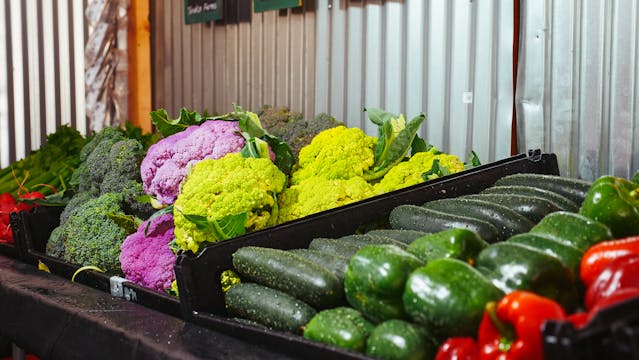
Your 12-Month Guide to Seasonal Eating in the UK
Understanding what’s available when is the cornerstone of eating seasonally. Here’s your month-by-month guide to the highlights of British seasonal produce.
January
The depths of winter might seem sparse, but plenty of hearty vegetables are at their peak. Winter seasonal produce recipes can showcase root vegetables like parsnips, turnips and swedes. These make excellent roasts and hearty soups. Kale and Brussels sprouts are also abundant and at their sweetest after exposure to frost. Winter is the perfect time to embrace slow cooking methods that transform these sturdy vegetables into comforting meals.
February
Similar to January, February continues to offer excellent root vegetables and brassicas. Leeks come into their prime now, perfect for warming soups and tarts. This is also the beginning of forced rhubarb season in Yorkshire, bringing a welcome splash of pink to winter desserts. Purple sprouting broccoli begins to appear towards the end of the month – a true delicacy worth seeking out.
March
As the first hints of spring appear, so do new seasonal treats. The spring seasonal fruits available begin with the last of the stored apples and the first rhubarb harvests. Vegetables start to show more variety, with spring greens and spring onions making an appearance alongside the last of the winter roots. Wild garlic begins to grow in woodlands, perfect for pesto and adding a delicate garlic flavour to dishes.
April
April brings the exciting arrival of asparagus season, arguably Britain’s most anticipated seasonal vegetable. Its season is short, so enjoy it while you can! New potatoes begin to appear, along with radishes, spring onions and the first tender lettuces. Rhubarb continues in abundance, perfect for crumbles and compotes.
May
May is when seasonal eating becomes noticeably easier, with a wider variety of produce available. The asparagus season continues, joined by early peas and broad beans. The first British strawberries appear – worlds apart from imported versions in terms of flavour. Spring herbs are abundant, perfect for adding freshness to dishes.
June
Early summer brings abundance, with summer fruits and vegetables list growing weekly. Strawberries reach their peak, joined by raspberries and gooseberries. Salad ingredients flourish, from various lettuces to radishes and cucumber. New potatoes are at their best, needing little more than a knob of butter to shine. This is a wonderful time to eat simply, letting the quality of seasonal ingredients speak for themselves.
July
July continues the summer abundance. Berries of all kinds are at their peak – perfect for eating fresh or preserving for winter. Courgettes, runner beans and tomatoes start to come into their own. Fresh herbs are plentiful, making this a good time to make and freeze pesto or herb butters to capture summer flavours for winter use.
August
August represents peak abundance in the UK growing calendar. Stone fruits like plums join the berry parade. Tomatoes reach their flavourful best, and aubergines, peppers and sweetcorn all become available locally. This is an excellent time to consider preserving techniques to extend the life of this summer bounty.
September
As summer transitions to autumn, fall seasonal eating guide resources become valuable. Apples and pears return to their prime season. Wild blackberries can be foraged from hedgerows. Squashes and pumpkins begin to appear, offering versatility and good storage properties. Game season also begins, offering sustainable meat options.
October
Autumn’s colours are reflected in the produce available: orange pumpkins and squashes, red apples, purple beetroot. Mushrooms, including wild varieties, are abundant. Root vegetables return to centre stage, and the first Brussels sprouts appear, although they’ll be sweeter after the first frost.
November
As the days shorten, seasonal eating focuses more on storage crops. Apples and pears continue, along with the full range of root vegetables. Brussels sprouts improve with cold weather, making this a good time to start enjoying them. Cranberries appear in time for festive preparations.
December
December’s seasonal offerings support traditional festive meals: parsnips, potatoes, carrots and Brussels sprouts for Christmas dinner, along with cranberries for sauce. Chestnuts come into their own, perfect for roasting or adding to stuffing. While fresh produce is more limited, clever use of preserves and stored items can maintain variety.
The Benefits Beyond Your Plate
The journey of how to eat seasonally locally extends beyond just the food on your plate – it creates ripple effects that benefit your community and the environment.
When you choose local seasonal eating benefits, you’re supporting local farmers and producers, helping to maintain agricultural traditions and landscapes. Money spent locally tends to circulate within the community, creating a multiplier effect that strengthens the local economy.
From an environmental perspective, the environmental benefits of seasonal eating are substantial. Beyond reduced transportation emissions, seasonal local food typically requires less intensive farming methods, refrigeration and packaging. Many local producers also tend towards more sustainable farming practices, creating a positive cycle of environmental stewardship.
For families, seasonal eating creates valuable learning opportunities for children. When kids understand where their food comes from and how it grows, they develop a more meaningful relationship with what they eat. Many seasonal eating for beginners find that children become more interested in trying new vegetables when they’ve seen them growing or selected them at a farmers’ market.
Practical Tips for Success
As you incorporate more seasonal foods into your diet, these practical strategies can help overcome common challenges:
- Start with a seasonal core: Build meals around what’s seasonal, then supplement with non-seasonal items as needed.
- Embrace preservation: Learn simple techniques for extending seasonal abundance, such as freezing summer berries or making batches of soup for the freezer.
- Be flexible with meal planning: Rather than planning meals and then shopping, see what’s available seasonally first and then decide what to cook.
- Use budget-friendly seasonal eating tips like buying in bulk when prices are low and preserving for later use. Vegetables like carrots, onions and potatoes are available year-round from UK sources and provide affordable foundations for meals.
- Explore new preparations: If your family resists certain seasonal vegetables, try different cooking methods. Roasting often transforms the flavour of vegetables like Brussels sprouts or beetroot, making them more appealing to reluctant eaters.
- Find community: Connect with others interested in seasonal eating through local food groups, online communities or cooking classes. Sharing tips, recipes and even bulk purchases can make the journey more enjoyable.
A Sustainable Approach to Seasonal Eating
It’s important to approach seasonal eating with flexibility rather than perfectionism. In the UK climate, strict adherence to local seasonal eating would mean very limited fresh produce in late winter – a challenging prospect for most modern families.
The goal isn’t perfection but progress – making thoughtful choices that gradually shift your diet towards more seasonal, local foods. Perhaps you commit to making sure half your vegetables are seasonal, or you decide that imported bananas are a non-negotiable for your children’s breakfast but you’ll focus on seasonal choices elsewhere.
This balanced approach is what makes seasonal eating sustainable in the long term. It becomes a way of life rather than a restrictive diet – a positive choice you make repeatedly rather than a set of limitations.
Reconnecting With The Seasons Through Food
Learning how to eat seasonally locally is a journey that reconnects us with our food, our local environment and the natural rhythms that have sustained humans for generations before global supply chains. It offers a practical way for busy families to improve their health, reduce their environmental impact and often save money – all while enjoying more delicious meals.
Whether you’re just beginning to explore recipe ideas for seasonal eating or you’re already well-versed in when to expect the first asparagus or the last apples, there’s always more to discover in this journey. Each season brings its own gifts, challenges and opportunities to deepen your connection with local food systems.
As you incorporate more seasonal foods into your family’s diet, you’ll likely notice subtle shifts: more anticipation for the first strawberries of summer, greater appreciation for the comfort of root vegetables in winter, and a deeper understanding of how food connects us to place and time.
In a world that often feels disconnected from natural cycles, seasonal eating offers a simple yet profound way to reconnect – with our food, our local communities and the ever-turning wheel of the seasons that has guided human eating patterns for millennia.
So next time you’re planning meals or shopping for food and drink, pause to consider what the current season has to offer. Your taste buds, your health, your local economy and the planet will all benefit from your actions.